

WatchGas SST4 Micro Guide: Choosing a 4-Gas Detector, Reading ATEX Marking and Calibration Obligations
In confined space entry, tank cleaning, hot work and refinery field rounds, response time is measured in seconds and survival in minutes. This guide brings together the manufacturer's technical data for the WatchGas SST4 Micro 4-gas detector we distribute, how to decode its ATEX/IECEx markings, and the calibration and record-keeping requirements applicable in Türkiye, in a single reference.
Author: GTC Endüstriyel Occupational Safety Team
Published: 10 September 2026 · Last updated: 14 September 2026 · GTC Endüstriyel is the WatchGas distributor for Türkiye.
Executive summary — the guide in 40 seconds
| Heading | Summary |
|---|---|
| Subject | WatchGas SST4 Micro portable 4-gas detector (O₂ · CO · H₂S · LEL): technical data, certifications, field selection criteria and calibration regime. |
| Standards | IEC/EN 60079-29-1 (performance of flammable gas detectors) · EN 60079-0 / -11 / -28 (explosive atmospheres, intrinsic safety) · EN 50270 (EMC) · ATEX, IECEx, UKEX, CSA, cMETus, UKCA, INMETRO, KCS, PESO and ABS approvals. |
| Key points | 184 g body, IP65/68, wireless inductive charging (no fragile connector), up to 48 hours runtime with the LPC sensor, NFC, 95 dB alarm, 100 event logs, 6 months of data storage, −40/+60 °C operating range. |
| Ideal use | Refinery and petrochemical field rounds, continuous personal monitoring before and during tank or confined space entry, ship recycling and shipyard cutting areas, wastewater and sewer maintenance, steel production, fire brigades and first-response teams. |
| Where it is not suitable | Environments dominated by heavy hydrocarbons and silicone/filter conditions that reduce catalytic sensor response (pentane is listed among the gases the sensor detects well in WatchGas's MEMS sensor documentation; the limit lies with heavier compounds), LEL measurement in inert (oxygen-free) atmospheres, pre-entry measurements requiring remote sampling (an external manual aspirator accessory or the pumped SST4 Pump model is needed), and statutory or reference compliance monitoring — the device is engineered as a personal safety detector, not an analytical laboratory instrument. |
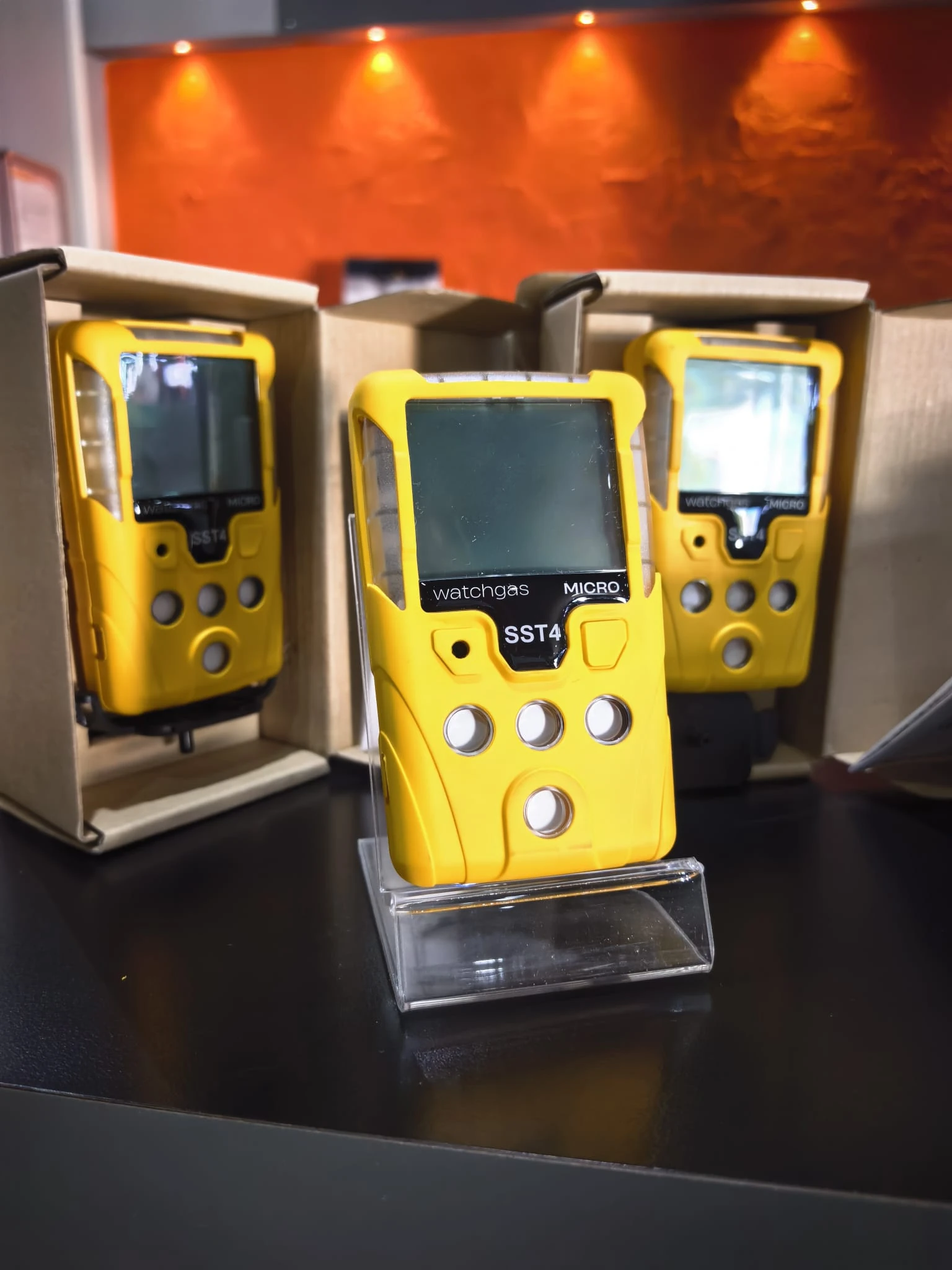
WatchGas SST4 Micro 4-gas detectors on display at GTC Endüstriyel. The device is produced in a yellow housing as standard; this is the preferred colour for field visibility and equipment identification.
Why are four gases monitored together in confined spaces?
Most confined space fatalities are caused not by a single gas but by three overlapping conditions: oxygen depletion, accumulation of toxic gas, and flammable vapour entering its ignition range. The four channels of a portable multi-gas detector are chosen precisely to address these three risks. A single-gas detector cannot confirm the absence of the hazards it does not monitor; it simply leaves those blind spots undetected.
| Channel | Risk it covers | Typical alarm threshold (manufacturer factory setting) |
|---|---|---|
| O₂ — Oxygen | Oxygen depletion from nitrogen/argon purging, rust and fermentation; or ignition risk caused by oxygen enrichment | Low 19.5% · High 23.5% by volume |
| H₂S — Hydrogen sulphide | Crude oil, wastewater, tank bottom sludge; above 100 ppm it paralyses the sense of smell and kills without warning | Low 10 ppm · High 15 ppm · TWA 10 ppm · STEL 15 ppm |
| CO — Carbon monoxide | Incomplete combustion, welding and cutting work, running internal combustion equipment in a confined space | Low 35 ppm · High 200 ppm · TWA 20 ppm · STEL 100 ppm |
| LEL — Flammable gas | Methane, propane and hydrocarbon vapours approaching the lower explosive limit | Low 10% LEL · High 20% LEL |
These thresholds are the device's factory settings; they can be changed via the SST Dock or the WatchGas SST app according to the site's risk assessment. Every altered threshold must be applied with the approval of the occupational safety specialist and recorded in writing together with its justification.
Footnote — upper oxygen alarm: The 23.5% value in the table is the manufacturer's factory setting. Some operators lower the upper alarm to 23.0% in order to catch oxygen-enrichment ignition risk earlier. Where this is done it is a company-level practice, not a statutory national requirement, and it should not be presented as a general rule unless supported by a reliable source. Any adjustment must be formally approved under the operator's own risk assessment and permit-to-work (PTW) procedure.
Clear readings on a four-channel detector confirm only that the four monitored hazards fall within their set limits — not that the space is safe. Other hazards identified in the risk assessment, such as VOCs, benzene, ammonia or welding fume, require dedicated monitoring. Nor does the absence of alarms constitute permission to enter a confined space: ventilation, isolation, permit to work, an attendant and a rescue arrangement must also be in place.
WatchGas SST4 Micro: manufacturer technical data
The table below is based on the manufacturer's published SST4 Micro & Mini product page and V1.6 technical datasheet. The figures are manufacturer declarations; they have not been independently measured by GTC.
| Specification | Value |
|---|---|
| Gases measured | Configurable for up to four simultaneous channels with O₂, CO, H₂S, SO₂ and flammable gas (LEL) options |
| LEL sensor type | Low-power catalytic MEMS (LPC) — more resistant to shock, vibration and sensor poisoning than a conventional bead sensor |
| Runtime | Up to 48 hours on the LPC variant |
| Charging | Wireless inductive charging; 2–3 hours for a full charge, 3 hours for the first charge. With no connector, the bent, broken and corroded charging-pin failures typical of connector designs are removed as a failure mode. |
| Dimensions and weight | 103.9 × 62.4 × 26.1 mm · 184 g (excluding the alligator clip; the clip adds 4 mm to the depth) |
| Ingress protection | IP65/68, dual-injection moulded, hardened housing with display bumpers |
| Operating temperature / humidity | −40 °C to +60 °C · 5–95% RH (non-condensing) |
| Alarms | Low, High, TWA and STEL; audible (95 dB), visual and vibrating alarm; automatic backlight on alarm |
| Logging | 100 event logs · up to 6 months of datalogging |
| Connectivity | Built-in NFC; compatible with the WatchGas SST app, SST Dock, Compliance Kiosk and RTR reporting software |
| Certifications | ATEX · IECEx · UKEX · UKCA · CSA · cMETus · INMETRO · KCS · PESO · ABS; North America Class I Div. 1 Gr. A,B,C,D and Class I Zone 0 Gr. IIC |
| Calibration interval | 6 months as standard (manufacturer recommendation) |
| Warranty | 2 years as standard |
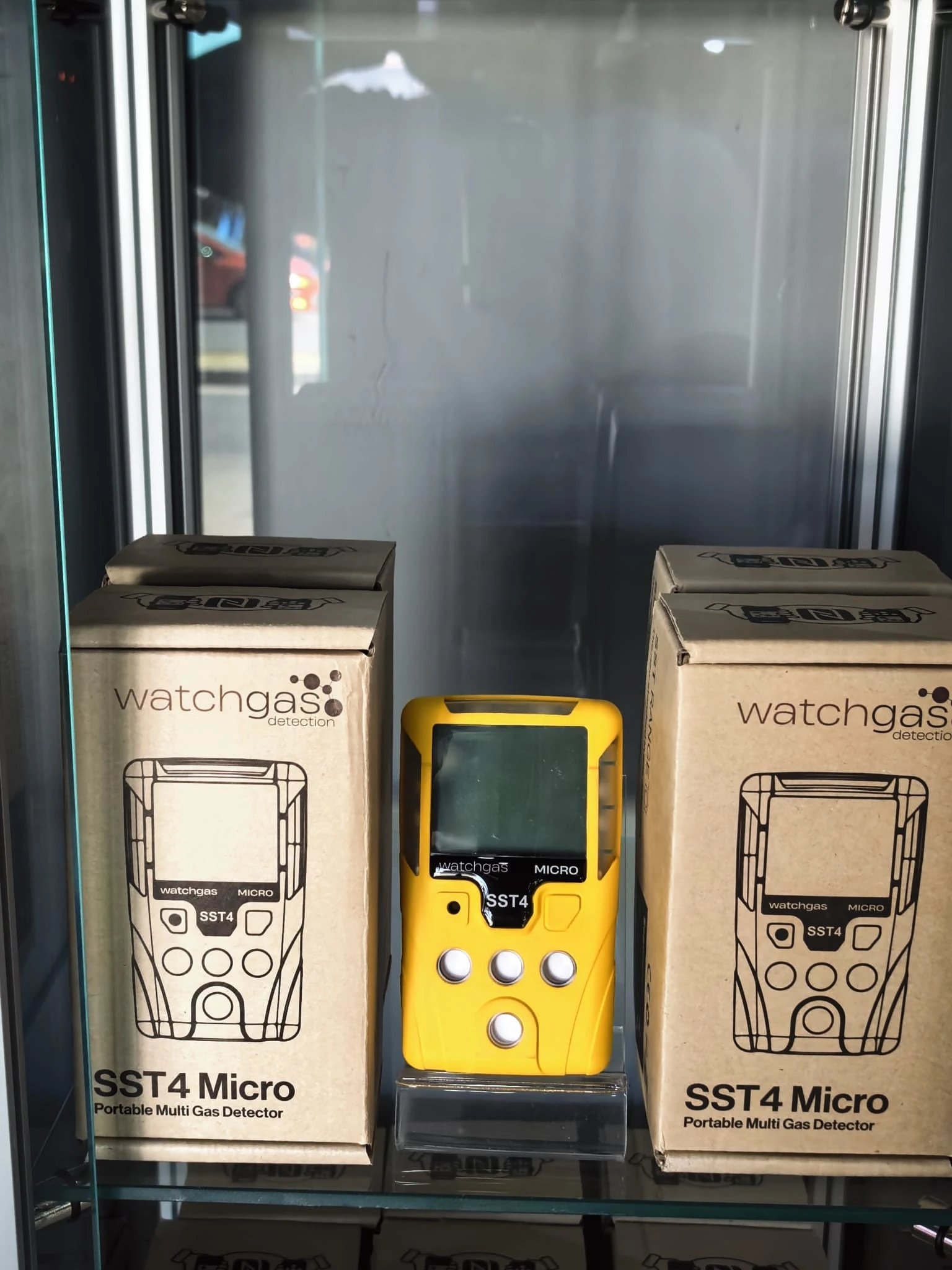
The device is supplied in its original packaging. The quick start guide in the box covers fresh-air calibration and the alarm test before first use — two steps that must not be skipped during commissioning.
SST4 Micro or SST4 Mini? The decision comes down to one thing: the LEL sensor
Both models share the same housing family, the same display and the same charging system. The difference between them is not measurement quality but the physical principle used to measure flammable gas — and that choice directly affects battery life, resistance to sensor poisoning and performance in inert atmospheres.
| Specification | SST4 Micro | SST4 Mini | Operational impact |
|---|---|---|---|
| LEL sensor | Low-power catalytic (LPC/MEMS) | Catalytic bead or NDIR (infrared) | NDIR is not poisoned by silicone or sulphur compounds; a catalytic sensor can be poisoned but also detects hydrogen and acetylene. |
| Runtime | Up to 48 hours | Catalytic 13 hours · NDIR up to 200 hours | LPC and NDIR suit long shifts or multi-day field rotations; a catalytic bead is enough for single-shift work. |
| Size | 103.9 mm | 107.9 mm | Same class; both are worn at collar or chest height. |
| Weight | 184 g | 188 g | The difference is not noticeable in the field. |
| Inert atmosphere | Not suitable | Suitable with NDIR | A catalytic sensor cannot read inside an oxygen-free (nitrogen-purged) tank; NDIR is essential in that scenario. |
The critical distinction is in the sensor: the SST4 Micro is produced only with a low-power catalytic (LPC/MEMS) LEL sensor — its smaller housing and low power budget cannot accommodate an NDIR (infrared) module, so sites that need infrared LEL measurement must move to the SST4 Mini.
The catalytic LEL sensor is factory calibrated to methane. With heavier hydrocarbons the reading may fall below the true concentration; if the site gas is not methane, the device must be cross-calibrated for that gas. Cross-calibration is done gas by gas and does not remove the sensor's own detection limits.
How to read the ATEX marking
II 1 G Ex ia IIC T4 Ga
This string on the certification label defines, letter by letter, which explosive atmospheres the device may be used in. The first step of device selection is to compare the site's zone map against this string. The performance requirements for portable flammable gas detectors are defined by a separate standard, IEC/EN 60079-29-1 — the explosive atmosphere certificate assures that the device will not produce a spark, while the performance standard assures that it measures correctly. Neither substitutes for the other.
| Code | Meaning |
|---|---|
| II | Group II — surface industrial installations other than mining |
| 1 G | Category 1, gas (G) atmosphere — usable in the highest-risk zone where an explosive atmosphere may be present continuously, including Zone 0 |
| Ex ia | Intrinsically safe protection type, highest level (ia) — no ignition energy is released even under two independent faults |
| IIC | Gas group IIC — covers the most easily ignited gas group, including hydrogen and acetylene |
| T4 | Surface temperature class: maximum 135 °C; usable with gases whose ignition temperature is above this |
| Ga | Equipment protection level 'very high' — the equivalent of Zone 0 |
An ATEX certificate alone is not enough: the device's equipment category, protection level, gas group and temperature class must meet the requirements of the site's zone classification and risk assessment. Procuring equipment without verifying these parameters results in devices that are fully certified yet unsuitable for the zone they are deployed in.
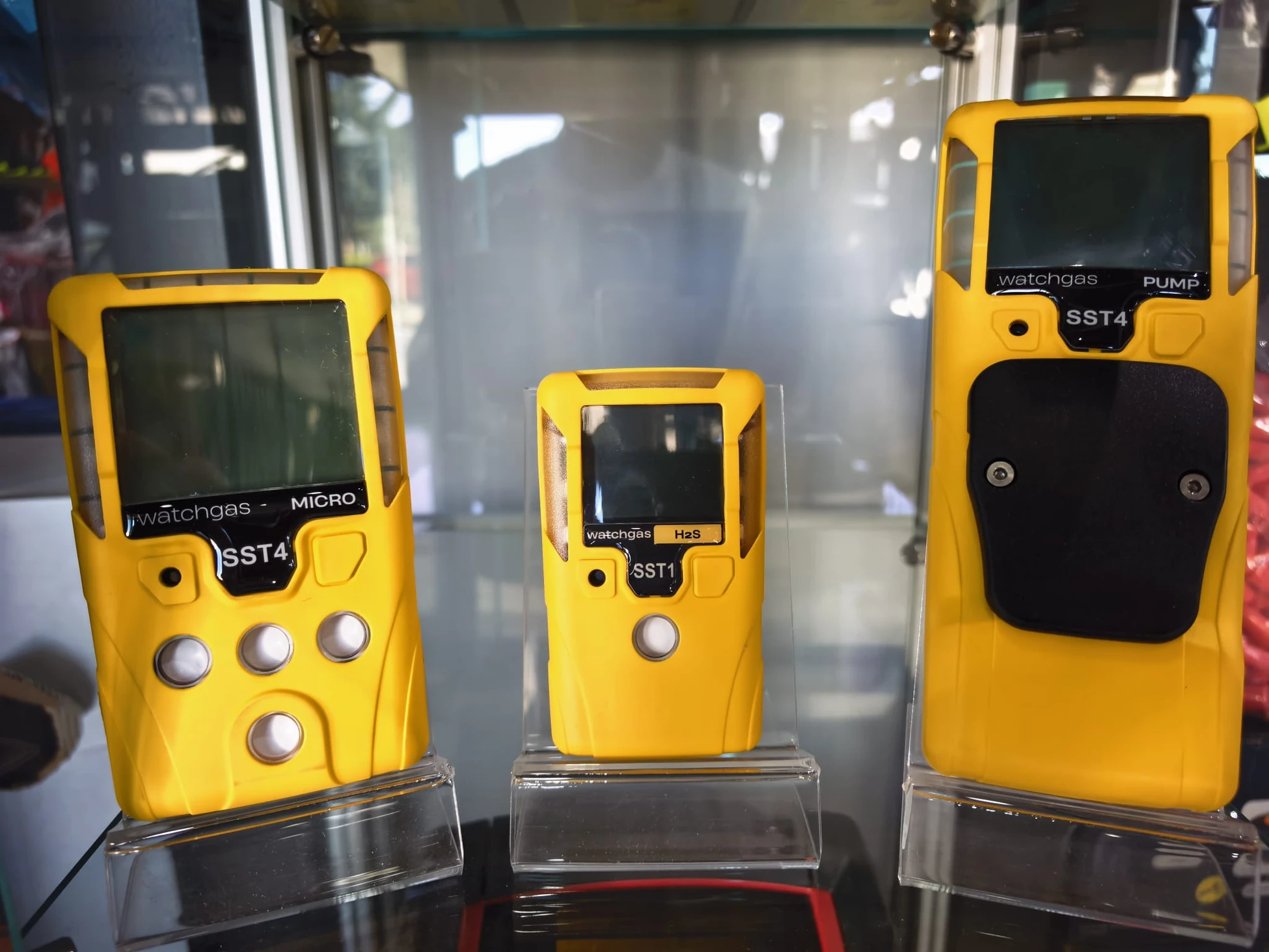
The SST4 family varies on the same housing with different LEL sensor configurations. For fleet purchases, staying within one housing family markedly simplifies field training and spare parts management.
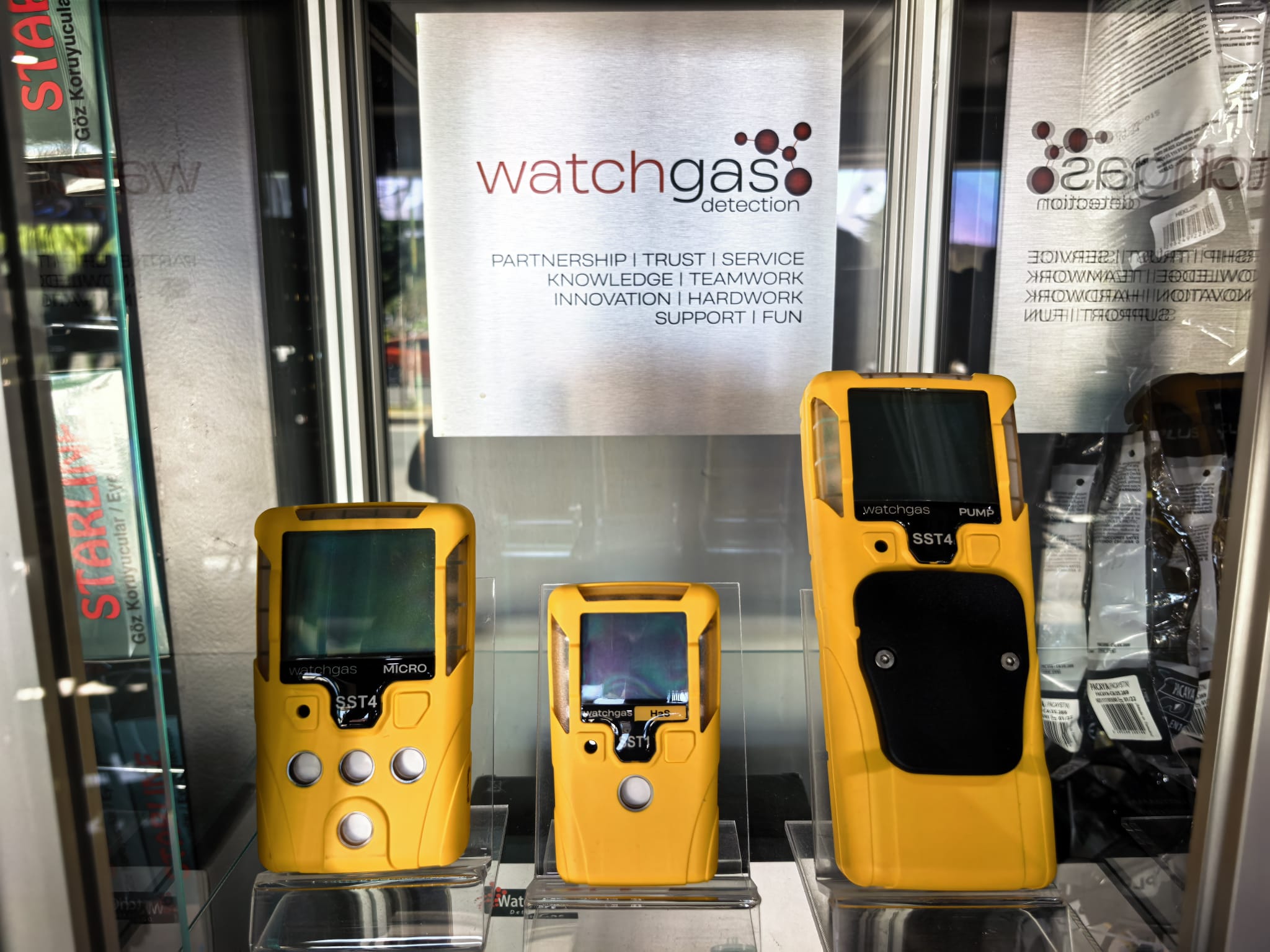
The WatchGas product display in the GTC Endüstriyel showroom. Inspecting the devices on site before delivery — trying the display, the alarm sound and the grip of the clip by hand — is a step we recommend before a fleet decision.
Calibration and bump testing: regulation sets the minimum, the manufacturer sets the frequency
In Türkiye, the maintenance and calibration of gas detection instruments is governed by sector-specific regulation; the regulation on gas-freeing operations in ship recycling and watercraft requires measuring instruments to undergo general maintenance and calibration by the manufacturer or an authorised service at least once a year, with records retained for 5 years. WatchGas, for its part, states the standard calibration interval for the SST4 as 6 months. That regulation is sector-specific; it should not be read as a universal obligation covering general industry. Nor can one automatically conclude that “the stricter rule applies” between rules with different scopes and sources: alongside the minimum requirements of the applicable regulation, the manufacturer's six-month calibration interval and the workplace's risk-assessment-based procedures must be considered together. Warranty terms and the manufacturer's maintenance instructions should also be checked.
| Activity | Frequency | Purpose and source |
|---|---|---|
| Bump test (functional test) | Before every use / start of shift | Verifies that the sensor responds to the target gas and that the audible, visual and vibrating alarms work. It does not replace calibration. Can be automated with the SST Dock. |
| Full calibration | Every 6 months (manufacturer standard) | Readjustment of sensor sensitivity with certified calibration gas. Declared as the standard interval in the WatchGas SST4 datasheet. |
| Legal minimum calibration | At least once a year | The minimum interval required by the gas-freeing regulation for ships and watercraft, performed and documented by the manufacturer or an authorised service. |
| Record retention | 5 years | The period for which calibration and maintenance documents must be retained for presentation during inspection. RTR software and Compliance Kiosk keep records digitally; retention period, access, backup and export features should be verified separately with the manufacturer or in the system settings. |
| Fresh-air calibration | At every start-up, in clean air | Prevents zero-point drift. The device must always be switched on in a gas-free environment. |
A silent detector is not necessarily a safe detector. The only reliable way to catch an unresponsive or poisoned sensor is a short pre-shift bump test with verified challenge gas.
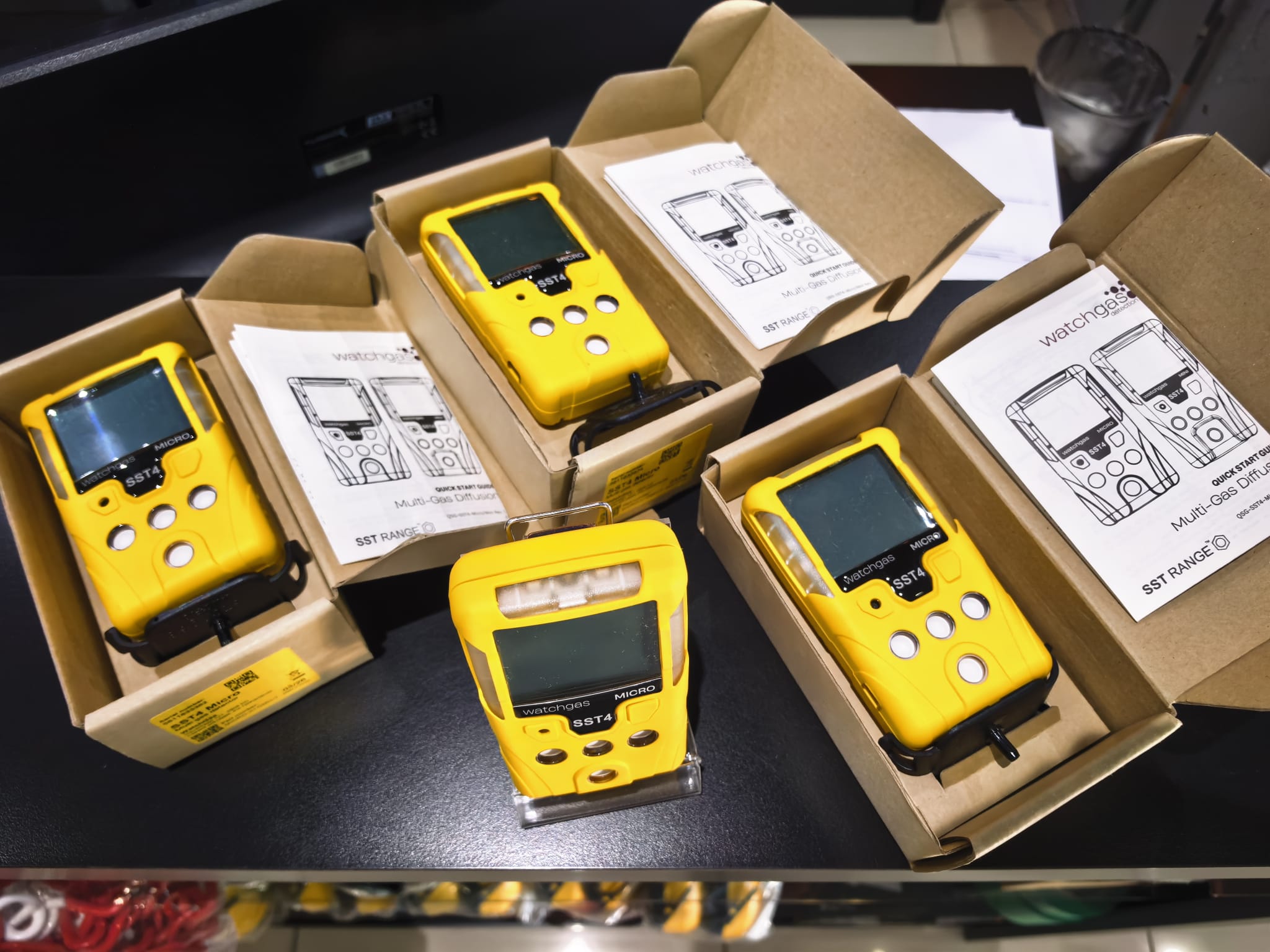
Preparation before fleet delivery: devices are numbered, given their first calibration and assigned to a user record before they go out to site. Those three steps form the basis of the traceability required during inspection.
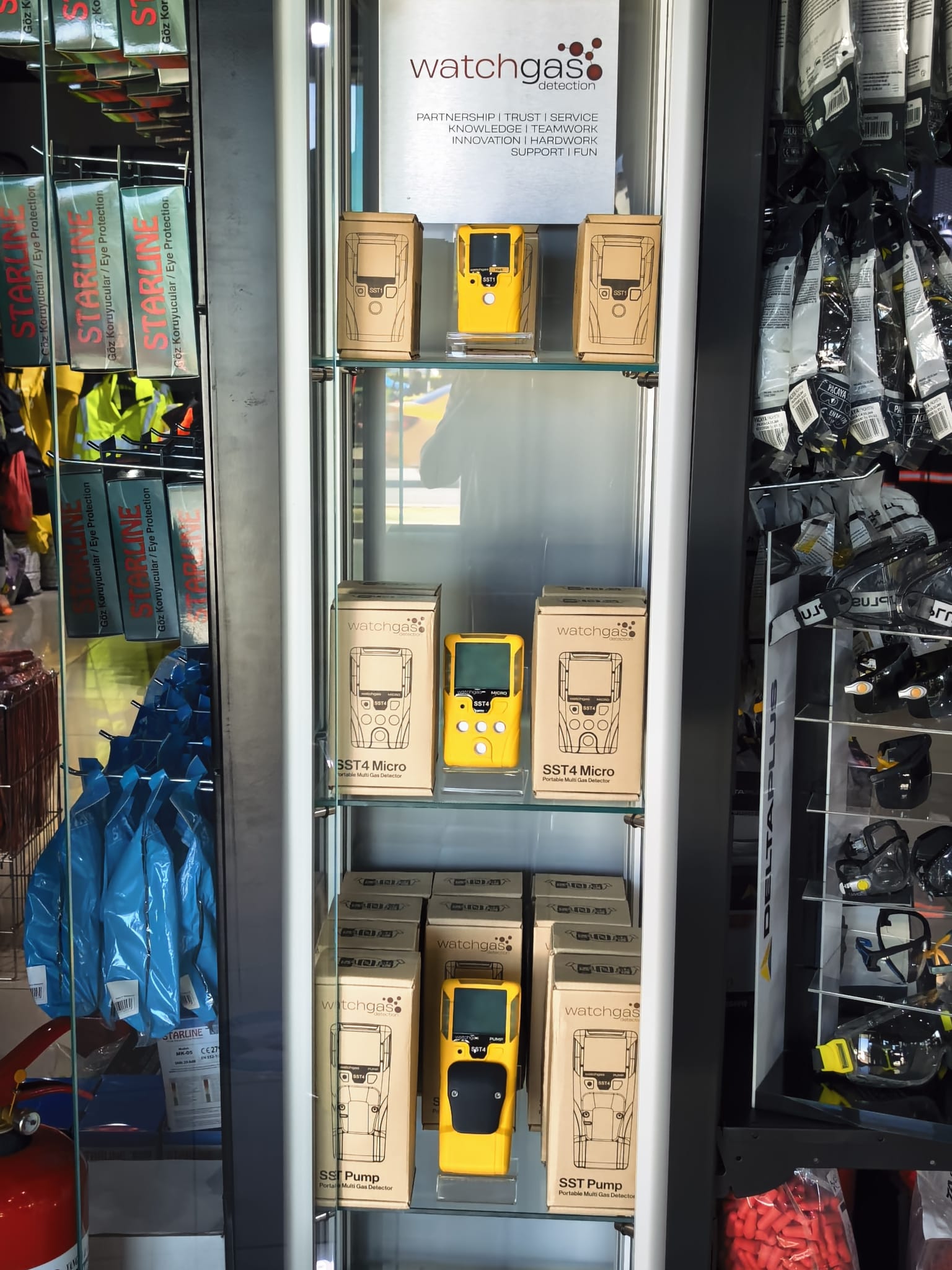
Available from stock: GTC Endüstriyel keeps the SST4 Micro packaged and ready for commissioning. From a single-device need to a fleet purchase, the same configuration can be carried through.
Six questions to answer before buying
Choosing a gas detector is not a product comparison but a risk match. The framework below is designed to prevent the purchase of a device that does not suit the site.
| Criterion | The question to ask on site |
|---|---|
| Gas coverage | Which gases are identified in the risk assessment? Do the four channels cover all of them, or is an additional measurement such as benzene or ammonia required? |
| Zone compatibility | Does the site's explosive atmosphere zone map match the device's ATEX category (Zone 0 / Ga)? |
| Sensor type | Are silicone, lead or sulphur compounds present (catalytic poisoning risk)? Will measurement take place in an inert atmosphere (NDIR requirement)? |
| Runtime | Does shift plus rotation time exceed the device's runtime? Is there a plan for charging stations and spare devices? |
| Compliance infrastructure | Will bump test and calibration records be kept manually, or automatically via SST Dock / RTR? How long does it take to retrieve five years of records during an inspection? |
| Ambient conditions | Are the temperature, humidity, dust and water contact risks covered by IP65/68 and the −40/+60 °C range? |
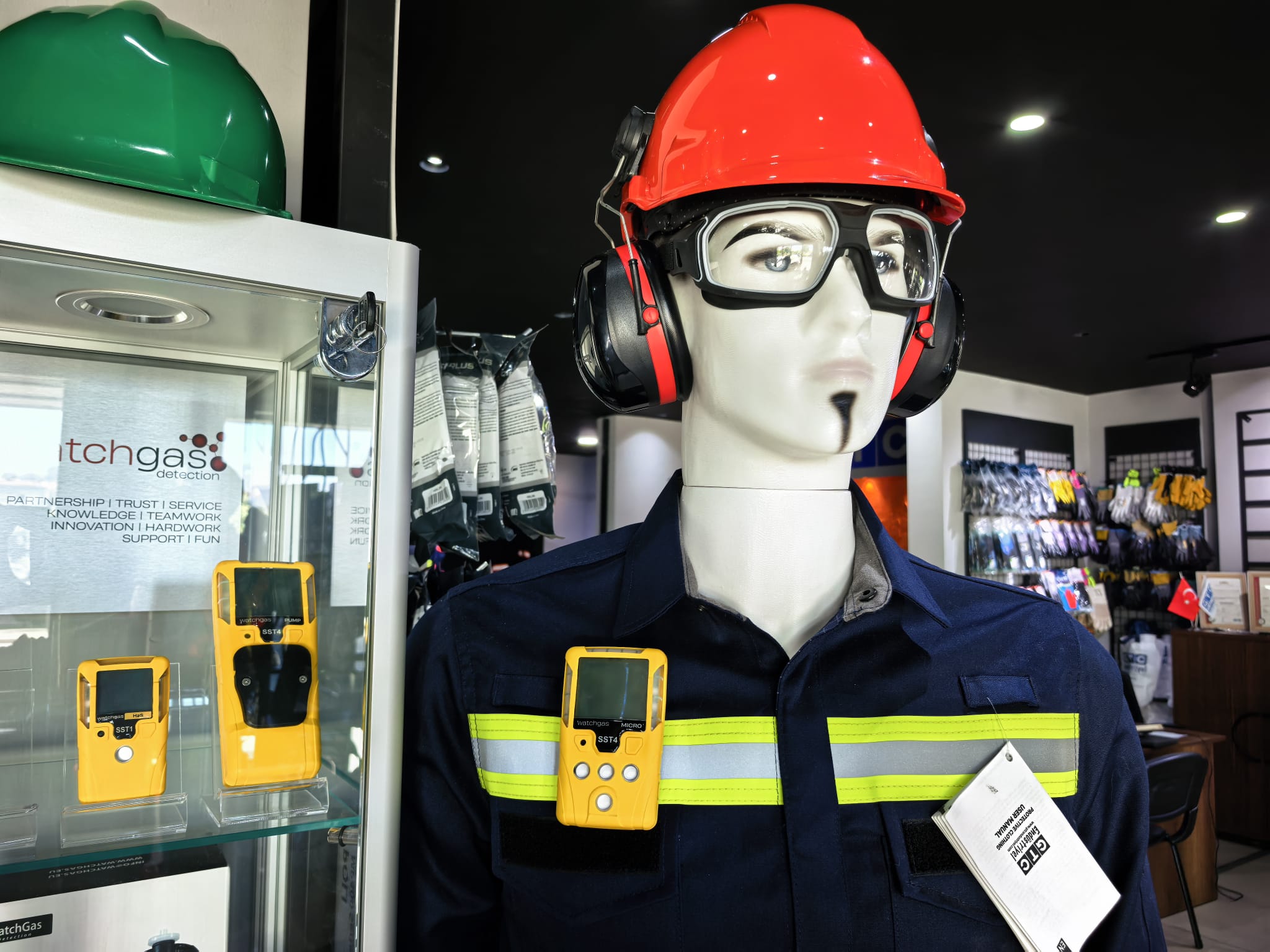
A gas detector is part of a PPE set, not an alternative to one. For confined space entry the device is planned together with a helmet, eye protection, hearing protection and, where required, respiratory protection.
Critical safety warning — never rely on diffusion monitoring for initial entry
When a manhole, well, tank or sewer cover is opened, the atmosphere inside cannot be assumed to be homogeneous. There is no firm field rule that gases always settle into a fixed pattern at top, middle and bottom levels; the distribution is governed by density, temperature, draft, the process and the gas mixture itself. What matters is that the atmosphere can stratify, and that samples must therefore be taken at different elevations, allowing for the device's response time at each one. A diffusion-type instrument measures only the air at the point where it sits.
For that reason, stepping into a confined space wearing a diffusion-type SST4 Micro simply because “the indicators are green” can be fatal. Pre-entry measurement must be made by lowering the device layer by layer (top, middle, bottom) into the space, waiting at each level for the device's response time; where that is not possible, an external manual aspirator kit or a pumped model (SST4 Pump) with a sampling hose must be used. No one enters until every layer reads clean.
The limits of the device — where is it not enough?
When presenting a product we distribute, we are also obliged to write where it is not suitable. The main limits of the SST4 Micro encountered in the field are these:
| Scenario | Why it falls short / what is needed |
|---|---|
| Heavy hydrocarbons (C₅ and above) | The catalytic LEL sensor is calibrated to methane; with heavier compounds the reading may fall below the true value. Cross-calibration to the target gas, or NDIR/PID, is required. |
| Inert (oxygen-free) atmosphere | The catalytic combustion principle depends on oxygen; LEL cannot be read in a nitrogen-purged tank. A device with an NDIR sensor verified as compatible with the target gas should be evaluated: the fact that NDIR does not need oxygen does not by itself make it suitable for every inert application — target gas, measuring range and cross-sensitivity must be checked separately (the listed SST4 Mini NDIR configuration does not measure hydrogen or acetylene). |
| Remote pre-entry measurement | A diffusion-type device measures the air at the point where it sits. Sampling down through a manhole or tank hatch requires a pumped model (SST4 Pump) and a sampling hose. |
| VOC / benzene measurement | The four channels do not measure VOCs at ppm sensitivity. A standard PID responds to many VOCs together and does not isolate benzene within a mixture; where benzene exposure must be assessed, a benzene-selective method or an instrument designed for that purpose is required. |
| Reference / statutory measurement | The manufacturer explicitly defines the device as a personal safety detector, not a measuring instrument. For measurements intended for official reporting or regulatory compliance, the method and competence requirements set out in the relevant regulation must be checked separately. |
Transparency note
GTC Endüstriyel is the Turkish distributor of the WatchGas brand and sells the device described in this guide. All performance figures in this guide are taken from the manufacturer's official product page and the V1.6 technical datasheet; they have not been verified by independent laboratory measurement by GTC. Manufacturer statements such as "fastest T90 response time in its class" are marketing claims and are reported here with their source identified. The scenarios in which the device is not suitable are listed separately in the table above.
Notes from the field
Under GTC Endüstriyel's distributorship, the SST4 Micro is in active use at customer sites in petrochemicals, industrial cleaning and analytical services. These are the three issues we encounter most often during commissioning:
1. Wireless charging changes habits
On portable detectors with connectors, a failed charging port is among the most common service items we see. Inductive charging removes pin wear and corrosion as a failure mode; in return, it requires precise placement on the charging pad. Verifying the on-screen charging indicator at shift handover is a habit field teams need to acquire.
2. Fresh-air calibration is done in the wrong place
The device runs an initial self-check at start-up; zeroing in clean air is a separate operation. According to the WatchGas quick start guide, the automatic zeroing (Zero Cal) feature is disabled when the device is delivered — meaning each start-up does not by itself re-establish the zero point. Whether this setting is enabled should be verified in the menu on the device GTC delivers. If automatic zeroing is enabled and the unit is powered up inside the facility, where trace hydrocarbon vapours linger, the instrument will calibrate out that background concentration as baseline “clean air” and systematically understate true worker exposure. Start-up and zeroing must therefore always take place outside the plant perimeter, in verified clean air.
3. Alarm thresholds are changed without written justification
When a false-alarm complaint comes in, raising the threshold looks like a practical fix. The question asked during inspection, however, is this: who made that change, and on the basis of which risk assessment? Every threshold change made through the app must be recorded with its date and justification.
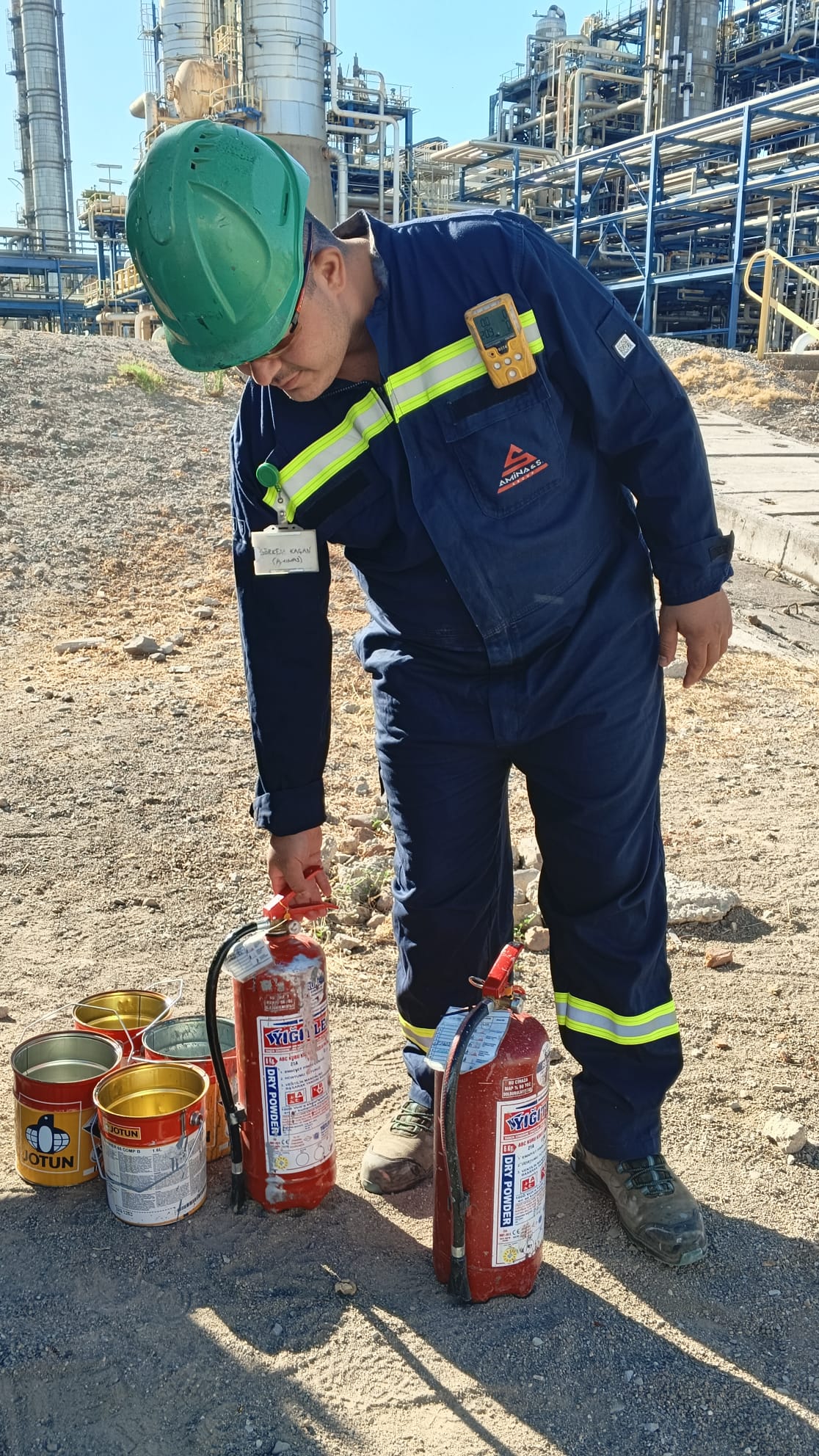
Equipment checks are part of the routine at refinery and petrochemical sites. A portable gas detector belongs to the same routine: unless the device is assigned, working and within its calibration date, site entry cannot be considered safe.
Frequently asked questions
How many gases can the SST4 Micro measure at once?
According to manufacturer data the device measures up to four gases simultaneously: oxygen (O₂), carbon monoxide (CO), hydrogen sulphide (H₂S) and flammable gas (LEL). Depending on configuration, a sulphur dioxide (SO₂) sensor can be specified instead of H₂S.
What are the device's runtime and charging time?
On the SST4 Micro with a low-power catalytic (LPC) sensor, runtime reaches up to 48 hours. Charging is inductive and wireless; a full charge takes 2–3 hours and the first charge 3 hours. Charging must only be carried out in a safe, gas-free area and between 0–45 °C.
Which explosive atmospheres can the SST4 Micro be used in?
The device carries the II 1 G Ex ia IIC T4 Ga marking under ATEX, IECEx and UKEX, which indicates suitability for use in all gas groups (IIC), including Zone 0. For North America it holds Class I Div. 1 Gr. A,B,C,D certification. Definitive suitability must be determined by the occupational safety specialist by comparison with the site's own zone map.
How often should calibration be performed?
The manufacturer states a standard calibration interval of 6 months. In Türkiye, the gas-freeing regulation for ships and watercraft requires calibration and certification by the manufacturer or an authorised service at least once a year, with records retained for 5 years. That regulation is sector-specific; it is not a universal obligation for general industry. In practice the regulatory minimum, the manufacturer's 6-month interval and the workplace risk assessment must be considered together. Independently of calibration, a bump test is required at the start of every shift.
Are a bump test and calibration the same thing?
No. A bump test is a short functional check confirming that the sensor responds to the target gas and that the alarms work; it is performed before every use. Calibration is the readjustment of sensor sensitivity with certified gas and is periodic. A bump test does not replace calibration.
Can the device measure LEL inside an oxygen-free (inert) tank?
The catalytic-sensor SST4 Micro cannot; the catalytic combustion principle requires oxygen to be present. In nitrogen-purged tanks, an SST4 Mini with an NDIR (infrared) sensor should be used.
What should be done if the device is dropped or submerged?
The housing is IP65/68 rated, but after any physical impact the device should be taken out of service and bump tested. If the sensor compartment is visibly damaged or the filter is blocked, the device must not be used in the field and should be sent to an authorised service.
GTC Endüstriyel · WatchGas Distributor for Türkiye
Let's define the gas detector configuration that fits your site
Share your zone map, the gases to be measured and your shift pattern; we will prepare a proposal covering sensor type, fleet size, charging and dock infrastructure, and the calibration plan.
Sources
WatchGas B.V., SST4 Micro & Mini product page and SST4 Micro & Mini Technical Datasheet (DS-EN-V1.6) · WatchGas, SST4 Quick Start Guide (Rev. 1.5) · IEC/EN 60079-29-1, Flammable gas detectors — Performance requirements, IEC Webstore · EN 60079-0 / -11 / -28, EN 50270 · Turkish Occupational Health and Safety Law No. 6331 · PPE Portal, Republic of Türkiye Ministry of Labour and Social Security · Regulation on Gas-Freeing in Ships and Watercraft (calibration interval and record retention obligation).
This guide is for general information; it does not replace a workplace-specific risk assessment or the opinion of an occupational safety specialist.